
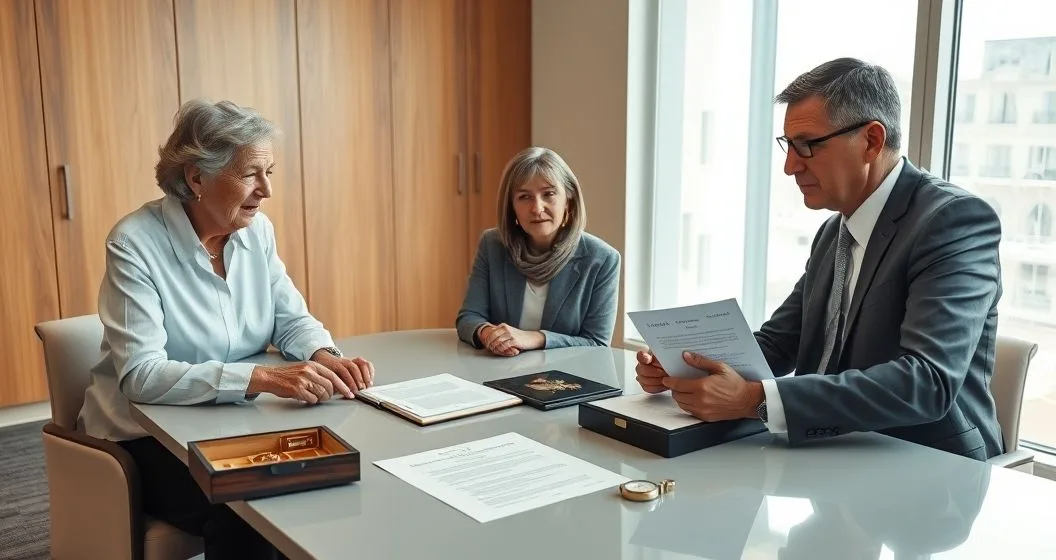
Why include heirloom and sentimental asset clauses?
Heirlooms and sentimental assets often carry more family meaning than market value. Without explicit directions, these items are frequent sources of post‑death conflict. A focused clause in your will reduces ambiguity, helps your executor carry out your wishes, and signals respect for family history.
In my work guiding clients through estate planning, clear clauses have prevented disputes and made probate faster and less contentious. I’ve seen families avoid decades‑long fights by documenting even small items: a wedding veil, a handwritten recipe book, or a set of platoon patches with deep personal meaning.
Authoritative background: for general estate planning guidance see the Consumer Financial Protection Bureau (CFPB) on estate planning basics (https://www.consumerfinance.gov/consumer-tools/estate-planning/) and the IRS pages on estate and gift tax topics for tax effects (https://www.irs.gov/businesses/small-businesses-self-employed/estate-and-gift-taxes).
What belongs in a good heirloom clause?
A legally useful heirloom or sentimental asset clause should include:
- Clear identification: detailed descriptions (make, serial numbers, inscriptions, photos) to avoid disputes.
- Specific beneficiary designation: full legal names and relationships, plus alternates.
- Location and access: where the items and any keys, safe combinations, or digital passwords are stored.
- Contingencies: what happens if the named person predeceases you or declines the item.
- Executor instructions: who is responsible for delivering the item and any requirement to obtain an appraisal or indemnify the estate.
Example short clause (template only):
I give my grandmother’s diamond engagement ring (the ring engraved “M.E. 1952,” currently in the safe deposit box at First National Bank, box #1234) to my daughter, Sarah Anne Smith. If Sarah predeceases me, the ring shall pass to my granddaughter, Emily Smith. My executor is authorized to transfer possession without sale.
Don’t rely only on vague labels like “my jewelry” or “family heirlooms.” Specificity reduces the chance that items are mishandled or sold during probate.
Using a personal property memorandum or tangible personal property list
Many states permit a separate personal property memorandum (sometimes called a tangible personal property list) that the testator can update without re‑signing the will. This list is referenced by the will and can be a practical place to name multiple items and recipients.
- Check state law: requirements vary (some states require the memorandum to be signed and dated; others limit the value of items that can be disposed of in this way).
- Keep the memorandum with the will or tell the executor where to find it.
For legal details and state‑specific rules, resources like Nolo explain the memorandum option and its limitations (https://www.nolo.com/legal-encyclopedia/what-heirloom-assets-44288.html).
Digital heirlooms and sentimental assets
Heirlooms increasingly include digital items: family photo libraries, social media accounts, scanned letters, and even digital art or NFTs. Treat these assets the same way:
- Inventory file locations, platform usernames, and access methods.
- Decide whether to transfer, archive, delete, or grant access for memorialization.
- Consider a separate secure list (password manager instructions or digital estate service).
See FinHelp’s guides on digital estate planning for practical steps to manage online accounts and crypto (example: “Digital Estate Planning: Protecting Your Online Assets” — https://finhelp.io/glossary/digital-estate-planning-protecting-your-online-assets/).
Valuation and tax considerations
Most sentimental items are small‑ticket for federal tax purposes, but certain valuables (art, antiques, expensive jewelry, classic cars) can affect estate value. Important notes:
- Items bequeathed to an heir still count in the gross estate for estate tax purposes when calculating federal estate tax liability. Check the IRS for current rules and exemptions (https://www.irs.gov/businesses/small-businesses-self-employed/estate-and-gift-taxes).
- If an item is gifted before death, be aware of gift‑tax rules and potential capital gains for the recipient when they later sell.
Because tax rules change and thresholds fluctuate, have an attorney or tax advisor review high‑value distributions.
Practical drafting tips
- Be specific. Use identifying details and photographs when possible.
- Use full legal names and provide alternates if the primary recipient cannot accept.
- Specify delivery mechanics: who transfers possession, whether an appraisal is required, and whether the executor may rely on family statements.
- Include dispute resolution language if desired: require mediation before litigation or direct that the executor’s decision is final.
- Update the clause as life circumstances change—marriages, divorces, births, and deaths can make old beneficiaries inappropriate.
Sample dispute‑avoidance sentence:
If more than one person claims the item after my death, my executor shall first attempt mediation with the claimants. If mediation fails, the executor’s good‑faith decision shall be final.
Common mistakes to avoid
- Relying on verbal promises or post‑death family understandings.
- Listing items vaguely (e.g., “my paintings” without additional identifiers).
- Forgetting digital assets or failing to provide access instructions.
- Assuming a separate list doesn’t need to match the will’s references—ensure cross‑references are clear.
Handling contested heirlooms
Even with careful drafting, disputes happen. Executors should:
- Keep a written inventory and photographic record before distribution.
- Obtain appraisals where value is unclear or significant.
- Follow the will’s language and the legal chain of command—if unclear, get counsel.
Courts will generally enforce a validly executed will. But contested sentimental items often lead to emotional litigation; a mediation clause or family discussion beforehand reduces risk.
Where heirloom clauses fit in an estate plan
Heirloom clauses are part of a broader estate plan that should include a will (or trust), powers of attorney, beneficiary designations, and instructions for digital assets. For example, blended families often need carefully tailored clauses to balance fairness and intent; see FinHelp’s resource on estate planning for blended families (https://finhelp.io/glossary/estate-planning-for-blended-families-keeping-peace-and-intent/).
If you have many digital belongings, pair heirloom clauses with a digital‑asset plan (password manager, inventory, and an appointed digital fiduciary). See FinHelp guides on digital asset estate planning for actionable steps (https://finhelp.io/glossary/digital-asset-estate-planning-managing-online-accounts/).
Checklist before signing
- Identify and photograph each sentimental item.
- Write clear descriptions and name primary and alternate recipients.
- Decide whether to include the item in the will or a referenced memorandum.
- Store appraisal documents and location details with the will file.
- Tell your executor and a trusted family member where the will and any memorandum are located.
Next steps
- Draft specific clauses or a tangible personal property memorandum and review them with an estate attorney.
- Inventory digital and physical heirlooms, and secure access information.
- Discuss your intentions with potential recipients to reduce surprises.
Professional disclaimer
This article is educational and not legal advice. Laws about wills, memoranda for personal property, and tax treatment vary by state and change over time. Consult a licensed estate planning attorney and tax advisor before finalizing documents. For federal tax rules, see the IRS estate and gift tax pages (https://www.irs.gov/businesses/small-businesses-self-employed/estate-and-gift-taxes). For general consumer guidance on estate planning, see the CFPB (https://www.consumerfinance.gov/consumer-tools/estate-planning/).
Sources and further reading
- IRS — Estate and Gift Taxes: https://www.irs.gov/businesses/small-businesses-self-employed/estate-and-gift-taxes
- CFPB — Estate Planning: https://www.consumerfinance.gov/consumer-tools/estate-planning/
- Nolo — Heirloom assets and the personal property memorandum: https://www.nolo.com/legal-encyclopedia/what-heirloom-assets-44288.html
- FinHelp — Digital Estate Planning: Protecting Your Online Assets: https://finhelp.io/glossary/digital-estate-planning-protecting-your-online-assets/
- FinHelp — Estate Planning for Blended Families: Keeping Peace and Intent: https://finhelp.io/glossary/estate-planning-for-blended-families-keeping-peace-and-intent/
By documenting heirlooms thoughtfully and pairing clauses with a broader estate plan, you preserve both property and the stories that matter to your family. Review and update these provisions regularly so the people you love receive your treasured items as you intended.


