
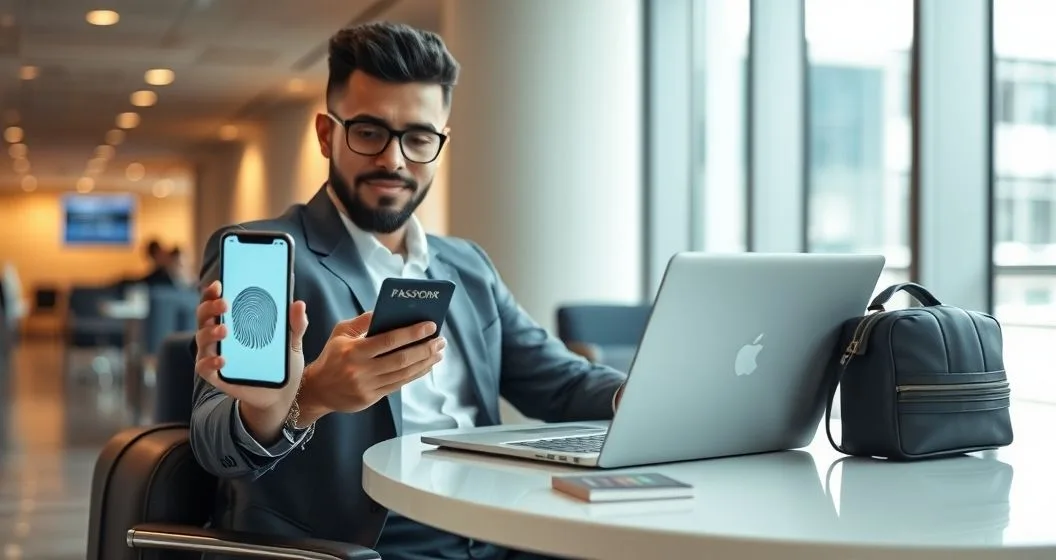
Why travel raises financial risk
Travel—especially international travel—changes how you access money, opens you to unfamiliar networks and devices, and may force quick decisions under stress. Public Wi‑Fi in airports, hotels, and cafés is a common attack surface. Physical losses (stolen wallets or phones) and social‑engineering scams (fake hotel staff, ATM overlays) are more likely when you’re away from home.
In my 15+ years advising clients on travel safety, I’ve seen two repeated patterns: (1) breaches often start with weak connectivity or device security, and (2) delays in reporting a loss compound financial harm. The Consumer Financial Protection Bureau and the Federal Trade Commission emphasize early reporting and freezing accounts as critical first steps (CFPB; FTC).
Before you leave: a practical pre‑travel checklist
Take these actions at least a few days before departure.
- Tell your card issuers and bank where and when you’ll travel. A simple travel notice prevents unnecessary fraud holds and card declines. Most banks let you set travel plans in their apps or by calling customer service. If you prefer automation, add travel locations to your account settings but keep contact numbers current.
- Update account recovery info. Confirm the phone number and email on file are yours and accessible while abroad. Add a secondary contact if your phone number may change.
- Enable multi‑factor authentication (MFA) for financial accounts. Use app‑based authenticators (Google Authenticator, Microsoft Authenticator, Authy) or hardware keys (FIDO2/YubiKey) where supported—SMS is better than nothing but is vulnerable to SIM‑swap attacks.
- Reduce linked automatic payments and move funds if you’ll rely on a specific card. Have a backup card stored separately (e.g., in a hotel safe or separate daypack).
- Print and securely store emergency contact info for each financial institution: issuer phone numbers (found on the back of cards or issuer websites), your bank’s international number, and your credit reporting agency contacts.
- Install a VPN on devices you’ll use and confirm it works. A reputable VPN encrypts traffic on public networks and reduces the risk of passive eavesdropping.
- Make secure copies of essential documents (passport ID page, driver’s license, health insurance card) and store them in an encrypted cloud folder and a separate physical location.
Sources: CFPB on travel banking safety; FTC identity theft guidance.
Security practices while you travel
These are the day‑to‑day steps that reduce exposure.
- Use cellular data for banking when possible. Mobile networks are generally safer than open Wi‑Fi.
- When you must use Wi‑Fi, always connect to a trusted hotspot (ask the hotel front desk for the official SSID) and use your VPN before accessing financial apps or accounts.
- Prefer credit cards for purchases over debit cards. Credit cards typically have stronger consumer protections and limit direct access to your bank balance; they’re often easier to dispute if fraud appears.
- Keep the number of active payment devices small. Remove saved card numbers from shared or rental devices. Use a single travel card and a backup kept separately rather than multiple active cards in one wallet.
- Use contactless payments or mobile wallet (Apple Pay, Google Pay) when possible—these tokenize card data and lower the risk of skimming.
- Protect PINs and cover keypads at ATMs or point‑of‑sale terminals. Skimmers and shoulder surfing remain real threats.
- Keep devices updated. Apply OS and app updates before leaving and enable automatic updates if practical.
- Lock devices with a strong passcode and enable device encryption, biometric locks, and remote‑wipe functionality (Find My iPhone, Google’s Find My Device).
- Beware of SIM swapping. Don’t post travel plans publicly on social media; attackers use personal info to social‑engineer mobile carriers. Consider adding a PIN/passphrase to your mobile account.
If your wallet or phone is lost or stolen: immediate actions
Fast action reduces loss and speeds resolution.
- Freeze or lock cards. Use issuer apps or call the customer service numbers you stored to freeze cards instantly. Many issuers allow temporary freezes without cancelling the account.
- Report stolen cards and request replacements. Ask for expedited shipping if you need a card while abroad.
- Remotely lock or wipe your phone. Use device location services to lock and, if necessary, erase the device. Change passwords to your primary email and financial apps immediately—these are common account recovery channels.
- Alert your mobile carrier and request a suspension of service if SIM‑related fraud is suspected.
- Monitor accounts and report fraudulent transactions. Under the FTC’s guidelines and most card network rules, cardholders typically have limited liability for unauthorized credit card charges if reported promptly; timing and outcome depend on issuer policies (FTC).
- File an identity theft report if personal data was exposed. The FTC provides a recovery plan and a centralized reporting tool at IdentityTheft.gov (FTC).
How to handle suspicious transactions or fraud
- Call the card issuer’s fraud department immediately and ask them to investigate. Keep a written log of dates/times and names of representatives you spoke with.
- Dispute unauthorized charges in writing if required. Save confirmations and dispute reference numbers.
- Consider a credit freeze or fraud alert with the three major credit bureaus if identity theft is likely. A credit freeze prevents most new accounts from being opened in your name; a fraud alert is lighter weight and notifies creditors to take extra steps to verify identity (Equifax, Experian, TransUnion). See our deeper guidance on credit freezes and fraud alerts for next steps: Understanding Credit Freezes, Fraud Alerts, and Identity Locks.
- For tax‑related ID theft risk (e.g., someone filing a tax return in your name while you travel), consider applying for an IRS Identity Protection PIN. Learn more about why and how to use one here: Navigating IRS Identity Protection PINs (IP PIN): Why and How to Use One.
- If your recovery involves rebuilding accounts and credit, our step‑by‑step recovery article can help prioritize actions: Identity Theft Protection: Steps to Rebuild and Recover.
Common travel scams and red flags
- Fake Wi‑Fi networks named to mimic legitimate hotspots. If the connection ask for unusual credentials or opens unexpected login pages, disconnect and confirm the SSID with staff.
- ATM skimming devices or overlay keypads. Look for loose or bulky card readers; use bank branch ATMs when possible.
- Card‑not‑present phishing scams—fraudsters call or email claiming your account is frozen and ask for login info. Financial institutions never request full passwords via email or unsolicited calls.
- Hotel staff or taxi drivers offering to “help” with your device or card—insist on handling cards and phones yourself.
Practical travel configurations I recommend to clients
- One primary credit card, one backup card in a separate place, and minimal cash in local currency. Keep a photocopy of the card front/back in a secure cloud folder.
- Use hardware MFA (security key) for accounts that support it—it’s the most phishing‑resistant option.
- Keep critical apps (banking, email, authenticator) behind biometric or passcode locks and remove app‑level backups from devices that may be shared.
Documentation and follow‑through after an incident
- Keep all fraud resolutions, police reports, and correspondence in one digital folder. These documents are often required for disputes and insurance claims.
- Check your credit reports through AnnualCreditReport.com or directly with each bureau after a major incident. Consider paid identity‑theft monitoring if you’ve been exposed to a large breach.
Final safety checklist (quick reference)
- Notify issuers; enable travel notices.
- Turn on MFA (prefer app/hardware over SMS).
- Use VPN on public Wi‑Fi; prefer cellular data for banking.
- Carry one primary card + a backup; favor credit over debit.
- Lock and wipe lost devices; report theft immediately.
- Consider credit freeze/fraud alert if identity theft is suspected.
Professional disclaimer
This article provides educational information based on industry best practices and over 15 years of client experience. It is not personalized financial or legal advice. For decisions specific to your situation, consult your financial institution, a qualified attorney, or a certified financial planner. Authoritative resources include the Consumer Financial Protection Bureau (consumerfinance.gov), the Federal Trade Commission (identitytheft.gov), and IRS guidance on identity protections (irs.gov).
Further reading and internal resources
- Understanding credit freezes, fraud alerts, and identity locks: https://finhelp.io/glossary/understanding-credit-freezes-fraud-alerts-and-identity-locks/
- Navigating IRS IP PINs and tax protections: https://finhelp.io/glossary/navigating-irs-identity-protection-pins-ip-pin-why-and-how-to-use-one/
- Steps to rebuild and recover from identity theft: https://finhelp.io/glossary/identity-theft-protection-steps-to-rebuild-and-recover/
If you’d like, I can create a printable one‑page travel security checklist tailored to your itinerary and the countries you’ll visit.


