
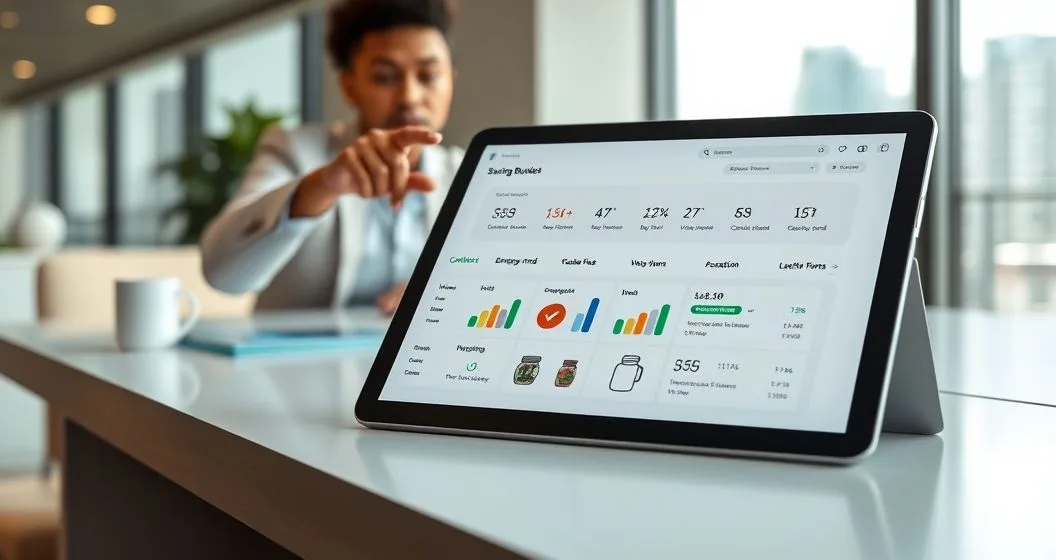
Why use goal-specific savings buckets
A single “general” savings balance hides priority and timetable. Goal-specific savings buckets make intent explicit: each bucket ties a target amount and deadline to a funding plan. That clarity reduces friction, helps you pick the right liquid vehicle for each goal, and improves the odds you’ll actually reach goals instead of spending them accidentally.
In my 15+ years as a financial planner, clients who separated money into clearly labeled buckets—emergency, short-term, medium-term, and long-term—were more consistent savers and felt less stress about trade-offs. Concrete labels (“Car down payment” vs “Travel 2027”) turn vague good intentions into measurable tasks.
(Authoritative context: the Consumer Financial Protection Bureau recommends saving with clear goals and matching the account vehicle to the goal’s timeframe and liquidity needs) (source: Consumer Financial Protection Bureau – Saving for Your Goals, 2024) and interest earned in savings accounts is reportable income to the IRS (see IRS Topic No. 403, Interest Received).
Which goals should get their own bucket?
Prioritize by timeframe and purpose. Typical buckets:
- Emergency fund (3–12 months of essential expenses)
- Short-term goals (0–3 years): vacations, appliance replacement, planned maintenance
- Medium-term goals (3–7 years): car purchase, down payment
- Long-term goals (7+ years): retirement, college savings (consider tax-advantaged accounts when appropriate)
Not every small wish needs its own bucket. Group similar, low-cost goals into a single “Fun & Small Projects” bucket to avoid account proliferation.
How to design each bucket (practical framework)
- Define the goal precisely: target amount, deadline, non-negotiable versus flexible.
- Determine liquidity needs: immediate access (emergency), short notice (vacation within 12 months), or can be illiquid (retirement). Liquidity determines account type.
- Choose the account type: checking for instant access; high-yield savings or money market for short-term; short-term CDs or Treasury bills for mid-term; brokerage/tax-advantaged accounts for long-term growth. See further detail on where to keep your emergency fund and high-yield savings options on FinHelp (internal resources below).
- Calculate required savings rate: (Target − Current balance) ÷ Months to goal = Monthly contribution.
- Automate contributions to enforce discipline.
- Review quarterly and rebalance funding priority when circumstances change.
Example calculation
- Goal: $30,000 home down payment in 5 years
- Current balance: $5,000
- Months to goal: 60
- Required monthly savings = ($30,000 − $5,000) ÷ 60 = $416.67 per month
Tip: Round the monthly amount up so small surpluses accelerate completion and provide a psychological win.
Account types and trade-offs
- Checking: instant access, typically low or zero interest. Use for immediate cash flows and buffer accounts.
- High-yield savings / online savings: best for emergency and short-term buckets—liquid with higher rates than brick-and-mortar savings. (See FinHelp: Using High-Yield Savings Accounts for Emergency Funds.)
- Money market accounts: similar to savings, may offer check-writing and debit access.
- Short-term CDs / T-bills: higher yields but limited liquidity—appropriate for locked-in medium-term goals if timelines are firm.
- Brokerage / tax-advantaged accounts (IRAs, 401(k), 529 plans): intended for long-term goals; offer potential growth and tax advantages but may limit withdrawals or have tax consequences.
Remember: interest earned is taxable as ordinary income unless the account is tax-advantaged (e.g., Roth IRA). For IRS guidance on interest and other forms of income see IRS Topic No. 403.
Practical automation and rules of thumb
- Automate transfers on the day after paydays to avoid overdrafts.
- Use percentage rules if income varies (e.g., allocate 10% of net pay among buckets proportionally).
- Prioritize emergency fund and high-cost debt simultaneously only if necessary; otherwise, stabilize emergency savings first to avoid high-interest borrowing.
- Set a minimum balance (buffer) in checking to prevent accidental tapping of buckets.
Behavioral devices
- Visual trackers: label buckets in your bank app or use a spreadsheet/dashboard to display progress. Visual progress increases motivation.
- Commitment transfers: auto-increase transfer amounts after raises or bonuses.
- Windfall rule: allocate windfalls 50/30/20 between debt, priority buckets, and discretionary savings (adjust ratio to fit goals).
Allocation strategies for constrained budgets
If you can’t fully fund every bucket each month, use priority tiers:
Tier 1 (must-have): emergency fund to 1 month, minimum cash buffer, and high-interest debt payments.
Tier 2 (near-term peace of mind): complete short-term buckets that prevent future emergencies (e.g., car repairs).
Tier 3 (aspirational): medium- and long-term goals—fund incrementally.
Example: With $400 extra per month, split 50% to emergency ($200), 30% to debt snowball ($120), 20% to vacation ($80). Once Tier 1 reaches target, reassign funds to Tier 2.
Real-world examples and pitfalls
Client vignette 1: “Lisa” (young family) — She needed an emergency fund and a short-term vacation plan. By setting two labeled sub-accounts, automating $300/month to emergency and $100/month to travel, she reached travel funding in 18 months and built a 6-month emergency cushion within three years. The separate buckets prevented accidental spending during a temporary income dip.
Client vignette 2: “Mark” (freelancer) — We built a variable-income buffer account and a 12-month emergency bucket because his cash flow fluctuated. He used a biweekly allocation method that prioritized the buffer in high-pay months and topped up emergency during slow months.
Common mistakes
- Too many buckets: chasing perfect granularity leads to complexity and abandonment.
- Misaligned vehicle: putting medium-term goals in checking (low return) or long-term goals in easily spent accounts.
- Ignoring inflation: for multi-year targets, estimate inflation-adjusted targets (e.g., a 3% annual inflation factor) so your final funding goal remains realistic.
How to adapt buckets for special situations
Self-employed or seasonal income: widen your emergency bucket to 6–12 months of expenses and use a buffer-savings bucket that smooths variable months.
Couples with separate finances: agree on shared buckets and personal buckets; document who contributes what and set automation accordingly. See FinHelp: Budgeting for Couples: Shared Goals, Separate Accounts for implementation tips.
Business owners: maintain separate business and personal buckets; keep an additional “tax and payroll” bucket to avoid surprises.
Where to keep your emergency fund and other buckets
For emergency and short-term buckets, use highly liquid, low-risk accounts such as online high-yield savings or money market accounts. FinHelp has a practical guide on Where to Keep Your Emergency Fund for Easy Access and a deeper look at Using High-Yield Savings Accounts for Emergency Funds.
(Internal links)
- For liquidity and placement options: Where to Keep Your Emergency Fund for Easy Access: https://finhelp.io/glossary/where-to-keep-your-emergency-fund-for-easy-access/
- For high-yield savings considerations: Using High-Yield Savings Accounts for Emergency Funds: https://finhelp.io/glossary/using-high-yield-savings-accounts-for-emergency-funds/
- For budgeting systems that use sub-accounts: Pocket-Based Budgeting: Using Sub-Accounts to Control Spending: https://finhelp.io/glossary/pocket-based-budgeting-using-sub-accounts-to-control-spending/
Rebalancing, tax notes, and end-of-year checklist
- Quarterly: review bucket progress, adjust contributions, and reassign surplus funds from completed buckets.
- Annually: inflate long-term targets by expected inflation and check for tax-advantaged opportunities (e.g., using a 529 for education or increasing retirement-plan contributions).
- Tax note: Interest and dividends from non-tax-advantaged buckets are taxable and generally reported on Form 1099-INT or 1099-DIV; consult IRS guidance (Topic No. 403) or a tax advisor for specifics.
Quick implementation checklist
- List 4–7 goals with target amounts and dates.
- Decide the account type for each bucket based on liquidity and risk.
- Automate transfers and label accounts/sub-accounts clearly.
- Start with minimums: $500 emergency, then build to 3 months of expenses.
- Revisit goals after major life changes (job change, new child, move).
Disclaimer
This article is educational and reflects general financial-planning practices as of 2025. It does not constitute individualized investment, tax, or legal advice. For specific tax questions consult the IRS or a tax professional (see IRS Topic No. 403 for interest), and for personalized planning consider a certified financial planner.
Select sources and further reading
- Consumer Financial Protection Bureau, “Saving for Your Goals” (2024) — guidance on matching accounts to goals: https://www.consumerfinance.gov/
- IRS, Topic No. 403: Interest Received — tax treatment of interest income: https://www.irs.gov/
- FinHelp internal guides: Where to Keep Your Emergency Fund for Easy Access; Using High-Yield Savings Accounts for Emergency Funds; Pocket-Based Budgeting: Using Sub-Accounts to Control Spending.


