
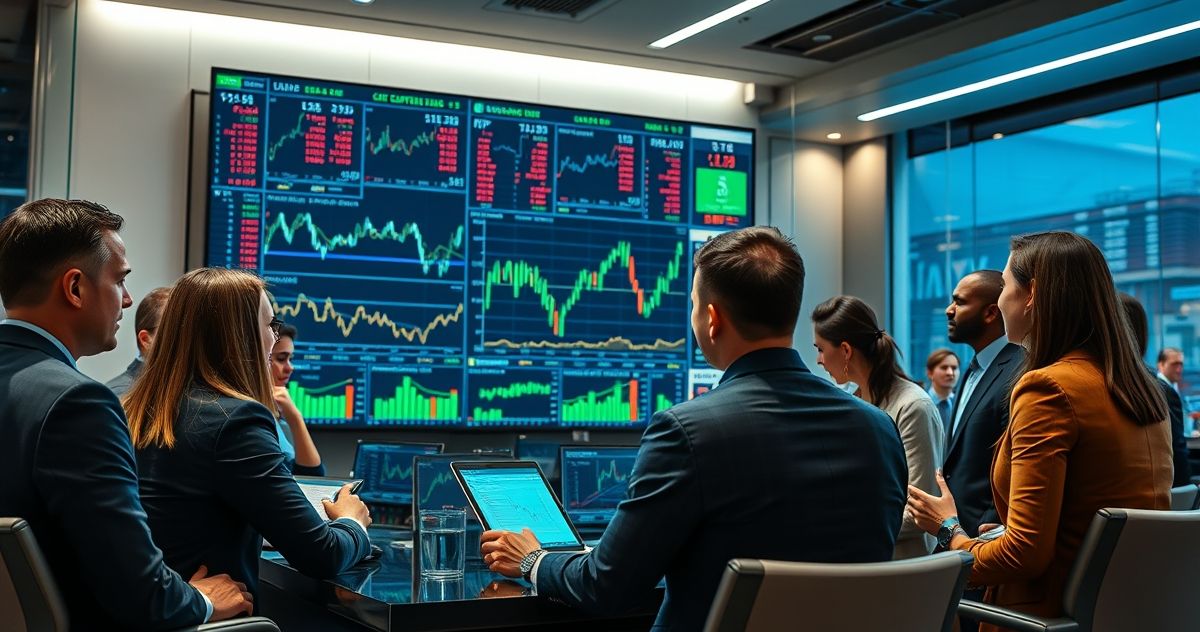
Commodities futures represent a crucial segment of the financial markets, allowing participants to lock in prices today for buying or selling commodities such as oil, gold, wheat, or coffee at a future date. These contracts provide transparency, liquidity, and risk management opportunities while facilitating price discovery in global markets.
Historical Context of Commodities Futures
The concept of futures contracts originated centuries ago with farmers and merchants mutually agreeing on prices for crops before harvest, reducing uncertainty amid volatile agricultural markets. This practice evolved in the 19th century United States where organized exchanges like the Chicago Board of Trade (CBOT), founded in 1848, formalized futures trading, initially focused on grains. Over time, this framework expanded to encompass energy resources, metals, and financial instruments, making commodities futures a vital tool for various industries.
Understanding the Mechanics of Commodities Futures Contracts
A typical commodities futures contract specifies clearly defined terms:
- Commodity Type: Each contract pertains to a standardized commodity, such as West Texas Intermediate crude oil, gold (measured in troy ounces), or specific grades of agricultural products.
- Quantity: Futures contracts fix the amount, for example, 1,000 barrels for crude oil or 5,000 bushels for corn, ensuring uniformity.
- Price: The contract price, known as the futures price, is agreed upon at the trade date and remains fixed despite future market fluctuations.
- Delivery Date: Also referred to as the expiration or settlement date, this specifies when the transaction must occur.
Participants take either a long position (agreeing to buy) if they expect prices to rise or a short position (agreeing to sell) if they anticipate prices will fall. This dual positioning enables both hedging and speculative strategies.
Margin, Leverage, and Settlement
Unlike traditional purchases, futures contracts require only a fraction of the total contract value upfront called the initial margin. This margin acts as a performance bond to ensure parties fulfill their obligations. Leverage derived from margin allows controlling large commodity quantities with relatively small capital, amplifying both potential gains and losses. It is essential for traders to monitor margin requirements and maintenance balances to avoid margin calls.
Most commodity futures are settled financially rather than by physical delivery. Traders typically offset positions before expiration by entering opposite contracts, realizing profits or losses in cash. Physical delivery is uncommon and usually limited to commercial participants equipped to handle the actual commodity.
Practical Uses and Market Participants
Hedgers typically include producers, consumers, and processors of commodities—farmers, airlines, mining companies—who use futures to protect against unfavorable price movements. For instance, an airline might buy jet fuel futures to hedge against rising fuel costs.
Speculators seek to profit from price fluctuations without intending physical delivery. They provide liquidity and facilitate price discovery in futures markets, often trading frequently based on market analysis.
Common Strategies and Risks
Participants should carefully assess risks, as futures trading is complex and highly leveraged. Thorough knowledge of the specific commodity’s supply-demand dynamics, geopolitical factors, and seasonal trends is crucial. Starting with small positions and using risk management techniques like stop-loss orders can mitigate adverse outcomes.
Clarifying Common Misunderstandings
Futures contracts differ fundamentally from stocks due to fixed expiration dates and leverage requirements. Traders must be aware that holding contracts to expiration may result in physical delivery obligations. Moreover, excessive leverage or inadequate understanding of market fundamentals often leads to substantial losses.
Additional Concepts: Contango and Backwardation
- Contango occurs when futures prices exceed spot prices, reflecting storage costs or expected future scarcity.
- Backwardation happens when futures prices fall below spot prices, often signaling immediate high demand or constrained supply.
Further Reading
- Related glossary entries on Understanding Futures Contracts, Hedging, and Leverage.
Authoritative External Resources
- U.S. Commodity Futures Trading Commission (CFTC): Basic Information on Futures and Options Trading
- IRS Publication for tax implications on futures trading: See IRS Form 6781
Commodities futures are powerful instruments providing opportunities for price risk management and speculation. Understanding their structure, market roles, and risk dynamics is essential for anyone considering participation in these markets.


