
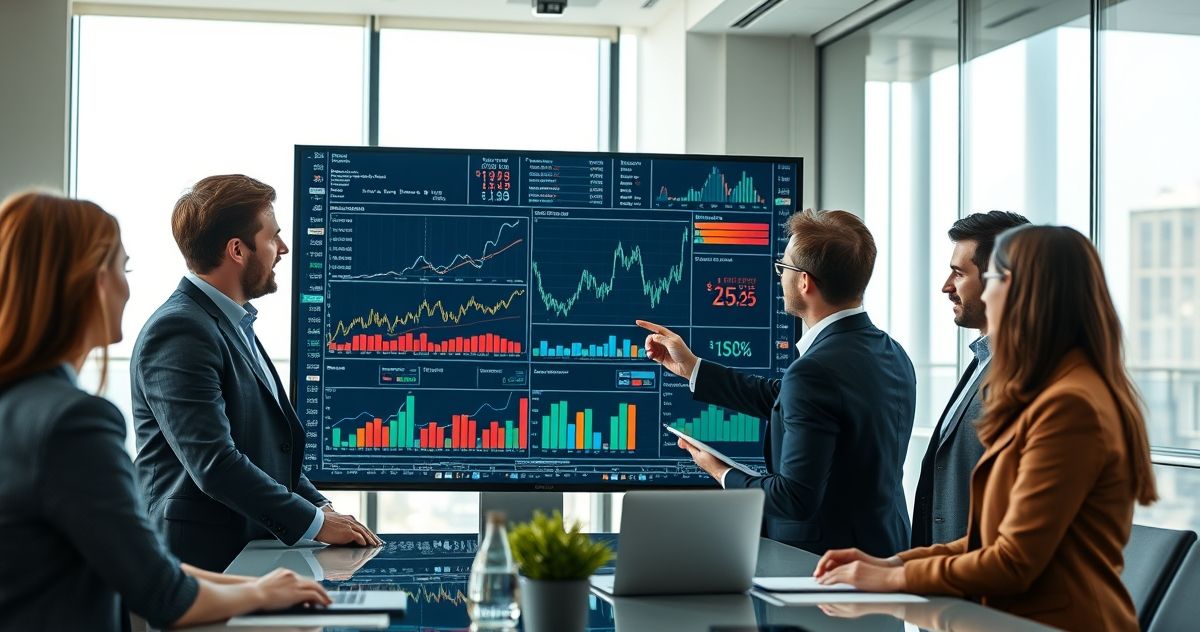
Financial forecasting is a critical financial management practice that involves projecting future financial outcomes based on past data, current economic indicators, and expected trends. This forecasting process allows businesses and individuals to make proactive, data-driven decisions to maintain financial health and achieve goals.
Historical Context of Financial Forecasting
Financial forecasting dates back to early commerce when traders and farmers estimated future yields and profits to optimize buying and selling decisions. With the development of formal accounting, economic theory, and business education over the 20th century, forecasting evolved into a more systematic discipline relying on quantitative models and financial statements.
How Financial Forecasting Works
Financial forecasting collects and analyzes a variety of financial inputs:
- Historical financial records: Sales data, expenses, profits from previous periods
- Market and economic trends: Industry growth rates, consumer behavior, interest rates
- Internal business factors: Production capacity, staffing, planned investments
Using tools ranging from simple spreadsheet models to advanced software, forecasters estimate the following key components:
- Revenue projections: Forecasting future sales based on past trends and market conditions
- Expense estimates: Anticipating costs including fixed and variable expenses needed to operate
- Cash flow forecasts: Predicting timing and amounts of cash inflows and outflows to manage liquidity
- Profit forecasts: Estimating net income by subtracting predicted expenses from revenue
Both short-term forecasts (monthly or quarterly) and long-term forecasts (annual or multi-year) are used to support budget planning, cash management, and investment decisions.
Practical Applications and Examples
- Businesses: A retail store projects next quarter’s sales and stock requirements to optimize inventory levels and workforce scheduling. This prevents overstocking or missed sales due to shortages.
- Individuals: Someone might forecast monthly expenses and income to plan for a major purchase, such as a home or vehicle, or to set savings goals.
- Investors: Analysts forecast company earnings to evaluate investment potential and adjust portfolios.
Who Can Benefit from Financial Forecasting?
Financial forecasting is invaluable for various groups:
- Small and large business owners planning growth or seeking financing
- Personal finance managers budgeting income and expenses
- Investors analyzing market opportunities
- Nonprofits managing grants and operations
Tips for Effective Financial Forecasting
- Use accurate and up-to-date historical data to improve reliability
- Regularly update forecasts to incorporate new market or business developments
- Develop multiple scenarios to prepare for best case, worst case, and most likely outcomes
- Maintain a conservative approach to assumptions to avoid overly optimistic projections
- Consider leveraging dedicated financial forecasting tools or consulting financial professionals for complex needs
Common Pitfalls to Avoid
- Confusing forecasting with guesswork: Good forecasts rely on data and analysis
- Ignoring external economic or market changes that may impact results
- Overestimating revenue growth without considering potential risks
- Neglecting to review and revise forecasts regularly as conditions change
Learn More About Related Concepts
Understanding financial forecasting complements knowledge about budgeting and managing cash flow, both essential parts of comprehensive financial planning.
Frequently Asked Questions
Q: How often should I update my financial forecast?
A: For businesses, monthly or quarterly updates are typical, while individuals may adjust budgets monthly, especially when income or expenses fluctuate.
Q: Can financial forecasting prevent all financial problems?
A: While forecasting improves preparedness and highlights potential shortfalls, it cannot predict every event. Flexibility and prompt adjustments are crucial.
Q: Are there tools available for financial forecasting?
A: Yes, many software options like Microsoft Excel, QuickBooks, and specialized forecasting tools simplify the process and increase accuracy.
Authoritative Sources
- IRS Publication 538, “Accounting Periods and Methods” explains the importance of periodic financial review and record-keeping in forecasting (https://www.irs.gov/publications/p538).
- Small Business Administration guide on Preparing Financial Projections offers practical steps for business forecasting.
For more in-depth financial guidance, visit the FinHelp Budgeting Glossary page and Cash Flow Overview.


